
Getting Older Doesn’t Mean Getting Weaker. Let’s Rewrite the Story
One of the things that really irritates me is the way the media portrays growing older as a slow drift toward frailty and forgetfulness. This still seems to be the prevailing view, even though science, and my personal experience as a 65-year-old, says otherwise.
The last time we looked at getting older, it was all about your biological clock, epigenetics, and how you can improve your odds of staying healthy.
This month, we’re looking at the natural changes that happen as we get older and what we can do about them. It doesn’t have to be a doom-and-gloom, stuck-in-a-chair, “accept your fate” situation. I’m talking about feeling strong, moving well, and rewriting the narrative around getting older.
The Risks of Getting Older?
We know there are physiological changes that come with age, but they don’t have to be as bad as the media images generally suggest. Something can always be done to slow down these changes and sometimes reverse them.
Muscle Loss (Sarcopenia)
One of the first things to look at is sarcopenia, which describes the gradual loss of muscle mass and strength. Between the ages of 30 and 60, the average adult loses about 250g of muscle each year. At age 70, muscle loss accelerates to about 15% per decade. This process can really speed up once you get past 60, although the rate of change isn’t just due to ageing but other factors such as physical inactivity, chronic diseases, and poor nutrition.
Recent UK research shows that sarcopenia affects around 1 in 10 elderly people, with poor musculoskeletal health being one of the leading causes preventing people aged 60-64 from working.
Bone Density
Next on the list is bone density, which naturally reduces as we get older in both men and women. It becomes more of a problem in postmenopausal women due to reduced levels of oestrogen, the key hormone responsible for controlling the breakdown and rebuilding of your bones. As oestrogen levels reduce, bone is broken down faster than it’s built, often leading to osteoporosis, where reduced density increases the risk of fractures.
Current UK statistics show that osteoporosis affects over 3 million people, with 1 in 2 women and 1 in 5 men over 50 at risk of breaking a bone because of it. Oestrogen plays the same role in men, although the mechanisms are less well understood and there’s no equivalent of menopause; low levels can cause similar problems.
Joint Stiffness
Joint stiffness is another one of those problems that creeps up on us as we get older. A 2011 American study shows that 30% of adults report joint stiffness, aches, or pain, with 50% of those being over 75 years of age.
Age-related changes to joints can result in decreased synovial fluid (your joints’ WD40) and thinning cartilage, which contribute to stiffness. A lack of exercise makes things worse, as movement stimulates the production of synovial fluid—which is why movement is medicine.
Balance and Falls
The last thing to look at is balance, which is important because falls are the leading cause of injury-related deaths among older adults. Around a third of people aged 65 and over, and around half of people aged 80 and over, fall at least once a year. In the UK, over 5,000 older people die each year from falls, particularly those over 75.
Falls are mainly dangerous due to fractures, especially where hip surgery has already taken place or osteoporosis is present. Following a fall, additional problems can include loss of independence, and fear of another fall might cause social withdrawal and a reluctance to go out. The factors increasing the risk of a fall are complicated and include reduced muscle strength, poor visual vision, and problems with the vestibular system, which manages the position and movement of your head.
While ageing is inevitable, your lifestyle choices can manage the rate and degree of any decline, and that’s something we can control.
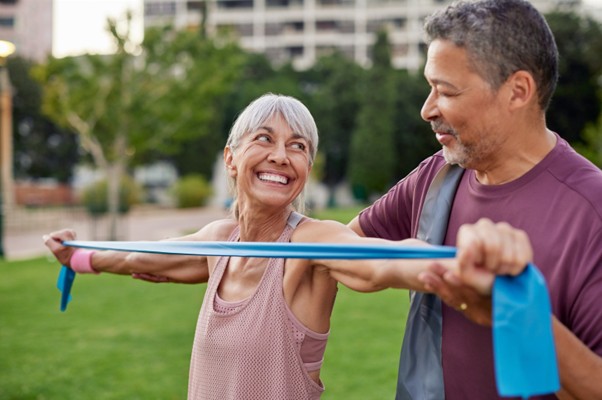
I’m Getting Older Now, What?
The good news is that ageing well is less about luck and more about lifestyle. Here are a few ways to future-proof your body (and mind).
Strength Train
The World Health Organisation (WHO) recommends 150–300 minutes of moderate-intensity or 75–150 minutes of vigorous-intensity exercise, plus two strength sessions every week. While this is very admirable, most people look at those numbers and feel too intimidated to even start.
The good news is that you can get significant benefits from exercising 10–15 minutes a day without setting foot in a gym. I’m a HUGE fan of exercise and ran an Otago exercise class with the oldest participant being 99 years young. Whether you’re bed-bound, overweight, or have a disability, there’s always something you can do to improve your strength. If you’ve ever been told there’s nothing that can be done, we need to talk.
Balance It Out
To improve your balance and reduce the risk of falls, you need to focus on strength, balance, and coordination exercises. Regular movement through activities such as Otago, walking, dancing, tai chi, and yoga will all significantly improve your balance and stability. Don’t forget that strength training exercises, including squats and lunges, also help build muscle strength and improve balance.
Other Ways to Slow Down Ageing
- Diet – A 2018 study show that a high-nutrient, Mediterranean-based diet provides significant benefits in preventing and managing various chronic diseases. Studies from 2024 and 2025 demonstrate that this dietary pattern can slow age-related brain atrophy by about 50% and enhance overall healthy ageing, with the difference being more significant in people who are obese, have a chronic disease, or have a family history of chronic disease.
- Stress – Physical and psychological stress have both been found to speed up the ageing process, but this appears to be reversible. Recent research from the National Institute on Aging confirms that when stressors are removed—such as after surgery, pregnancy, or illness—the ageing process slows down and biological age decreases.
- Smoking – Smoking is known to cause serious health problems and shorten your lifespan, but smoking-related ageing seems to be reversible. Research comparing current smokers, former smokers, and people who’ve never smoked shows that quitting can reverse some of the damage.
- Sleeping Habits – Poor sleep quality has a negative impact on your health. The recommendations are that adults should get at least seven hours of good-quality sleep every night. While this will vary, it’s a good target to aim for—sleep better and live longer.
As you can see, there are a lot of different factors involved in ageing well, and the best news is that it’s never too late to start!
If you’re struggling with fear around getting older and feeling fit, and need guidance on where to start, find someone who has an understanding and can offer practical advice on how to resolve it.
Don’t forget that I offer free 15-minute assessments and will do whatever I can to help you.
Prefer To Listen?
We have a Pain Free Living Podcast that covers topics just like these.
If you want to hear more about how getting older doesn’t mean you’re getting old, why not take a listen? Available on all the usual podcast platforms.
No jargon, no scare stories, and no pressure… just straightforward chat and practical ideas you can actually use.
I hope you found this article useful.
You can always get in touch if you have any concerns for yourself for someone you know.